
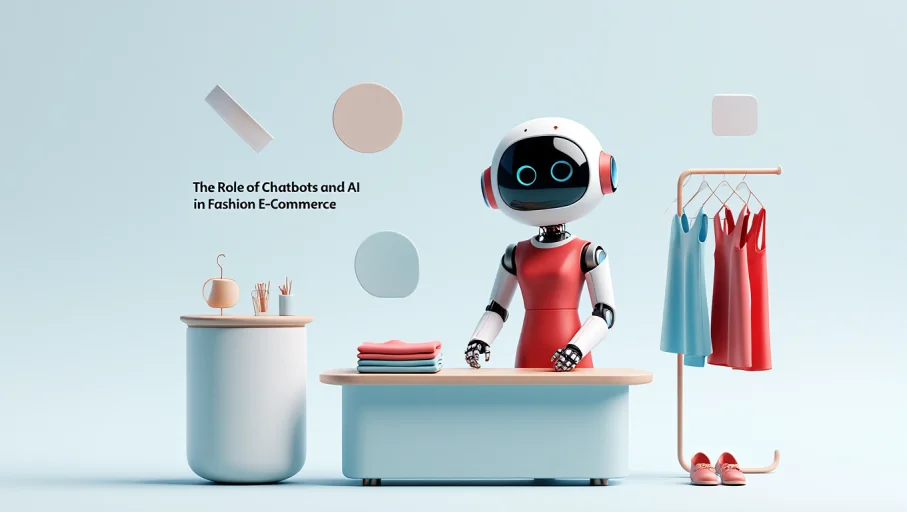
The Role of Chatbots and AI in Fashion E-Commerce
The world of fashion e-commerce is evolving rapidly, and technology is at the heart of this transformation. Among the most influential innovations are chatbots and artificial intelligence (AI), which are revolutionizing the way brands interact with customers, personalize experiences, and drive sales.
But how exactly are chatbots and AI shaping the future of fashion e-commerce? Let’s dive into the details.
What Are Chatbots and AI in E-Commerce?
Chatbots: Automated messaging tools that simulate human conversations to assist customers in real time.
AI (Artificial Intelligence): Technology that enables machines to learn from data, analyze patterns, and make decisions without human intervention.
When combined, these technologies create intelligent systems that can handle everything from customer support to personalized shopping recommendations.
How Chatbots Are Transforming Fashion E-Commerce
1. 24/7 Customer Support
Chatbots never sleep. They provide round-the-clock customer service, answering queries about products, sizing, shipping, and more. This ensures customers get the help they need, even outside of regular business hours.
Example:
H&M’s chatbot helps customers find products, check stock availability, and even suggest outfit ideas.
2. Personalized Shopping Assistance
Advanced chatbots can recommend products based on a customer’s preferences, browsing history, and past purchases. This personalized approach enhances the shopping experience, making it feel more tailored and engaging.
How it works:
Chatbots analyze data to suggest items that match a user’s style, size, and preferences.
3. Streamlining the Purchase Process
Chatbots can guide customers through the entire purchasing journey—from product discovery to checkout. They can handle payment queries, apply discount codes, and even offer post-purchase support.
4. Handling Returns and Exchanges
Returns are a major part of fashion e-commerce. Chatbots simplify this process by guiding customers through return requests, checking return eligibility, and providing real-time updates.
How AI Enhances Fashion E-Commerce
1. Personalized Recommendations
AI algorithms analyze user behavior to offer product suggestions that feel intuitive and relevant. This increases conversion rates and boosts customer satisfaction.
For example:
ASOS’s AI-driven recommendation engine suggests clothing based on what users have browsed, liked, or purchased.
—
2. Visual Search and Recognition
AI-powered visual search allows customers to upload images and find similar products online. This is particularly popular in fashion, where visual inspiration often drives purchases.
Brands Using Visual Search:
Zalando lets users search for items using photos instead of text.
Pinterest’s “Lens” feature helps users discover fashion trends by taking pictures of outfits.
—
3. Trend Prediction and Inventory Management
AI can analyze global trends, customer data, and social media insights to predict what styles will be popular. This helps brands manage inventory more effectively, reducing overstock and minimizing waste.
—
4. Virtual Fitting Rooms and AR Integration
AI is also used in virtual fitting rooms, where customers can try on clothes virtually using augmented reality (AR). This improves the accuracy of sizing and reduces return rates.
—
The Synergy of Chatbots and AI in Fashion E-Commerce
While chatbots handle real-time customer interactions, AI powers the intelligence behind those conversations. Together, they create seamless, personalized shopping experiences.
Example:
Sephora’s Virtual Artist uses AI to recommend makeup products based on a user’s skin tone and preferences. Its chatbot guides customers through the selection process, creating a personalized beauty experience.
—
Benefits of Using Chatbots and AI in Fashion E-Commerce
24/7 Availability: No need for human agents to be online all the time.
Personalized Experiences: Recommendations tailored to individual preferences.
Increased Efficiency: Handles repetitive tasks, freeing up human agents for complex issues.
Cost-Effective: Reduces the need for large customer service teams.
—
Challenges to Consider
Lack of Human Touch: While AI is efficient, it can’t fully replicate human empathy and understanding.
Data Privacy Concerns: Collecting and analyzing customer data must be handled responsibly.
Complexity in Implementation: Developing advanced AI systems can be expensive and technically challenging.
—
The Future of Chatbots and AI in Fashion E-Commerce
Voice-Activated Shopping: AI-powered voice assistants will make shopping more hands-free and accessible.
AI-Generated Fashion Designs: Some brands are experimenting with AI to design clothing collections based on trend data.
Emotion-Recognition Technology: Future chatbots could detect customer emotions to provide more empathetic responses.
—
Final Thoughts
Chatbots and AI are no longer just optional add-ons—they’re essential tools for fashion brands looking to stay competitive in the digital age. They enhance customer experiences, drive sales, and help brands understand their audiences better than ever before.
As AI continues to evolve, the future of fashion e-commerce looks brighter, more personalized, and seamlessly integrated with technology.